Skip to content

Learn from the best.

1:1 online tutoring for students aged 11 to 18.

We tutor four subjects — English Language, English Literature, Spanish and French — at GCSE and A-Level, and we prepare candidates for Oxbridge admissions. Every session is one to one, online, and taught by Leah Burgess, our Academic Director, who read French and Spanish at St Edmund Hall, Oxford.

We are a husband and wife. Leah teaches; William runs the admin, the scheduling and the fees. There is no pool of associates, so the tutor you speak to is the tutor your child gets.
Enquire Now About the practice
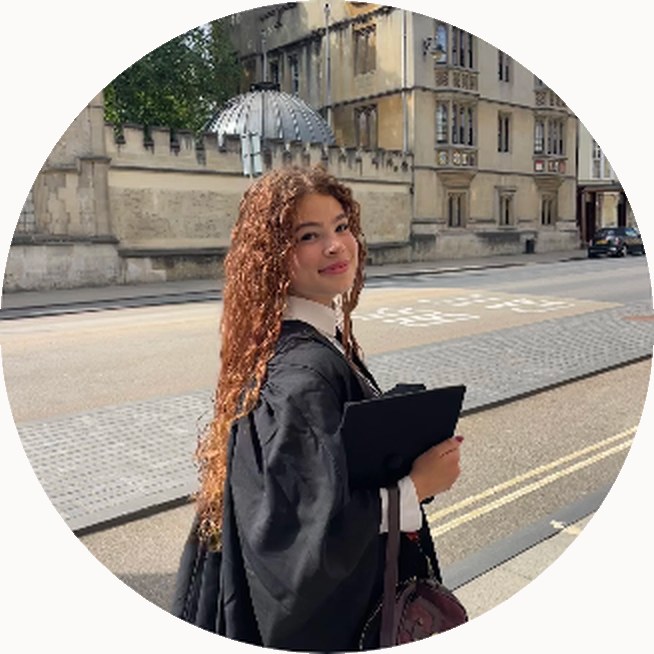
Leah Burgess, Academic Director, on graduating from Oxford

Mrs Leah Burgess, on the day she graduated. French & Spanish, St Edmund Hall, Oxford.
Our expertise

  • AQA
  • Pearson Edexcel
  • Eduqas
  • OCR
  • Cambridge IGCSE
  • AQA
  • Pearson Edexcel
  • Eduqas
  • OCR
  • Cambridge IGCSE

AQA, Pearson Edexcel, Eduqas, OCR and Cambridge Assessment International Education are the owners of their respective names and marks. They are shown here to say which specifications are taught. The Russet Collective is not affiliated with, approved by or endorsed by any awarding body.

Who teaches

Leah teaches every session herself.

Most tutoring companies are agencies: you speak to one person and are taught by another. Here there is one tutor, she is named, and she is in every session.

Read

French and Spanish at St Edmund Hall, Oxford

Tutoring

Seven years and more, one to one

Schools

Private contracted work for schools

Abroad

Time in schools across Europe, in the languages she teaches

She holds an Enhanced DBS certificate and is the designated safeguarding lead. William Burgess, a director who does not teach, is the deputy. More about the practice.

The method

Write it, then defend it.

Your child brings whatever they are working on. Leah puts it on a shared screen, marks it in pencil while they watch, and asks them to justify what they wrote.

This is the Oxford tutorial method, and it works because a rehearsed answer does not survive the second question. Every exam we prepare for — a Literature essay, an A-Level speaking test, an Oxbridge interview — asks for the same thing.

I

Read closely

Slowly, and with a pen. Most students have never been shown what close reading physically looks like — only told to do it.

II

Argue in writing

A claim that could be disagreed with, held for the length of an essay, in clean English — or clean Spanish, or clean French.

III

Defend it out loud

Under questioning, in the session. The part almost no student ever practises, and the part every examiner is looking for.

What we do

Four subjects, two levels, and Oxbridge.

Each page below sets out what the exam boards ask for and what a block of teaching weeks costs.

GCSE & A-Level

English Language

Unseen extracts and exam technique at GCSE. Linguistics, theory and the NEA at A-Level.

See the course and fees

GCSE & A-Level

English Literature

Shakespeare, the 19th-century novel, poetry and the NEA. Taught as argument, not theme-spotting.

See the course and fees

GCSE & A-Level

Spanish

The reformed GCSE papers — dictation, read-aloud, the set vocabulary. Literary essays at A-Level.

See the course and fees

GCSE & A-Level

French

The same, in French — and the speaking exam is in April, so the work starts in January.

See the course and fees

Michaelmas · seasonal

Oxbridge admissions

Personal statement and written work up to 15 October, then interview preparation to Christmas. Humanities, modern languages, English and the social sciences. Sold as single sessions and blocks of five and ten.

See the two phases

Also useful: GCSE and A-Level exam dates for 2027, and the Oxbridge calendar.

Enquire Now

The programmes

Three ways in, and the fee for each of them.

Teaching is bought by the teaching week — six, twelve or twenty-four of them — because a grade moves over a term and not over an afternoon. Oxbridge is bought against 15 October, because that is the date the year turns on.

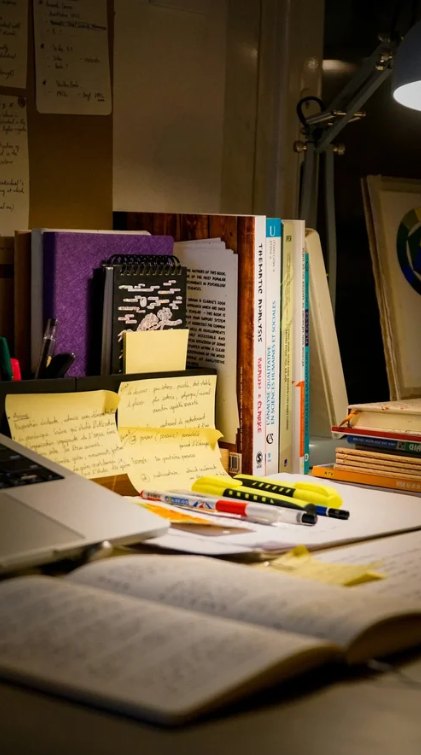
A student working at a desk with a marked page in front of them

GCSE Programmes
(6, 12 or 24-Week Blocks)

From £705

  • Taught one-to-one by Leah Burgess, who read French and Spanish at St Edmund Hall, Oxford
  • English Language, English Literature, Spanish and French — one subject, one level, one block
  • Bought in blocks of 6, 12 or 24 teaching weeks, which do not count school holidays
  • Practice questions set every week against the paper your child sits next, marked by hand and returned
  • Marked in pencil on a shared screen, live, while your child watches and argues back
  • Support seven days a week between sessions, answered by Leah
  • A block of 12 weeks is 15% off; a block of 24 is 25% off
A wall of open books

A-Level Programmes
(6, 12 or 24-Week Blocks)

From £795

  • The same four subjects at A-Level, taught by the same person, with no hand-off to anybody else
  • Built around the board your child actually sits — AQA, Edexcel, Eduqas, OCR — and the papers in the order they come
  • Weekly practice aimed at the marks that are being dropped, not at the syllabus in order
  • Specific habits taken apart: the unsupported assertion, the quotation that proves nothing, the conclusion that restates the introduction
  • The A-Level speaking examination prepared from January, not from April
  • Any two subjects together? 10% off both, on top of the block discount
  • Starting now means the full run to the examination at a steady pace
Mrs Leah Burgess in academic dress on the day she graduated from Oxford

Oxbridge Admissions
(2027 Entry)

From £160 an hour

  • Strategic one-to-one support with a competitive undergraduate application
  • Taught by somebody who went through the process herself and read her degree at Oxford
  • Sold against 15 October: the three-question statement and written work before it, interview preparation after it
  • A single session is £275; a block of five is £995; a block of ten is £1,595
  • Whatever you send beforehand is read and annotated before the hour, at no extra charge
  • Humanities, modern languages, English and the social sciences. Not Maths, not the sciences, and no admissions-test coaching
  • No offer, place or outcome is promised, and we are not affiliated with any university

Entry prices only — the full fee for every block length is set out on the page for the subject being bought. Nothing is payable on this site, and nothing is payable at all until a block is agreed in writing.

How a lesson is actually run

A pencil, a shared screen, and no distance in the room.

The lesson itself is live: the marking happens on the screen while your child watches and can argue with it. The practice Leah sets for the week is marked by hand and comes back before the next one. Click through what a lesson looks like.

An essay on an iPad mid-marking, with a phrase circled in black and a passage highlighted in green.
A constructed example, marked live on the shared screen while the student watches.
  1. 01

    One link, and nothing to install

    Sessions run on Google Meet. A browser and a link — no software, no account, no plug-in, and nothing for a parent to set up. Students join from a laptop at a kitchen table, from a school library, from a bedroom in another time zone.

    Headphones make more difference than any equipment we could ask for. In a language lesson the sound is the subject.

What happens on the screen

Both sentences are about the witches in Macbeth. One is the sort a student arrives at a session writing. The other is what comes out of an hour of being asked why.

A constructed specimen. These two sentences were written by Leah to show what the pencil does on screen, not by a student. No student’s work appears on this site without a parent’s written permission.

Before

The witches are important in the play because they tell Macbeth about the future and this makes him want to be king, which shows the theme of ambition and the supernatural.

In the marginThree claims, none defended, joined by “which shows”. This is a sentence that has been taught rather than thought.
After

The witches never tell Macbeth to do anything. They tell him what he will be, and he is the one who turns a sentence about the future into a task. Banquo hears the same prophecy and goes to bed.

What changedOne idea, held. A comparison doing the work of an argument. No theme, no “shows”, and the last four words are a joke, which means he is enjoying it.

The same thing happens with an essay in Spanish and an essay in French. The language changes; the question — what is actually being claimed here, and is it defended — does not.

What we do not do

A short list, which we would rather you read before writing to us.

No Maths, no sciences

And we will not find you somebody who does. This is not an agency, and there is nobody behind Leah to pass your child to. She teaches English, Spanish and French.

No entrance exams

We teach from Year 7 upwards, but we do not prepare students for 7+, 8+ or 11+ entrance exams, and we will not find you somebody who does.

No promised grade or place

Not a grade, not an offer, not a university. Anyone who promises you one of those is selling something they cannot deliver.

No cramming, and no ghost-writing

We will not drill past papers against a specification, and we will not put words into a piece of coursework or an application that is meant to be your child’s own.

No student who will not do the work

Practice is set every week and marked by hand, and a student who has not read the text or attempted the questions arrives with nothing to work on. That is an hour spent on a book nobody has opened, and it is not what the hour is for.

No affiliation with any university

Leah is an Oxford graduate. That is a fact about her and not about us, and it is not an endorsement by anybody.

Start with a conversation.

Six questions, about a minute, and you choose a time to speak to Leah out of her own diary on the screen straight afterwards. There is no waiting to be telephoned, nothing to pay to enquire, and nothing is sold on the call.

Enquire Now

Or read about the practice first, or write to us instead.